


Every year, on May 9th, Europe Day is celebrated. It was officially established by the European Council in Milan in 1985, with the first celebration taking place in 1986. The date recalls the historic Schuman Declaration of 9 May 1950, which is considered to be the birth certificate of European integration and cooperation for peace.
In the birthday month of European integration, Venice will host the 2026 edition of the VeUMEU – Venice Universities Model European Union, an event that, as part of the series of events organized on the occasion of “Europe Day in Venice 2026”, brings an advanced simulation of the European Union’s decision-making processes to the city. This year, the two themes for the simulation are: the European Directive on Due Diligence in Business Sustainability and the European Directive on Third-Country Nationals who are Long-Term Residents.
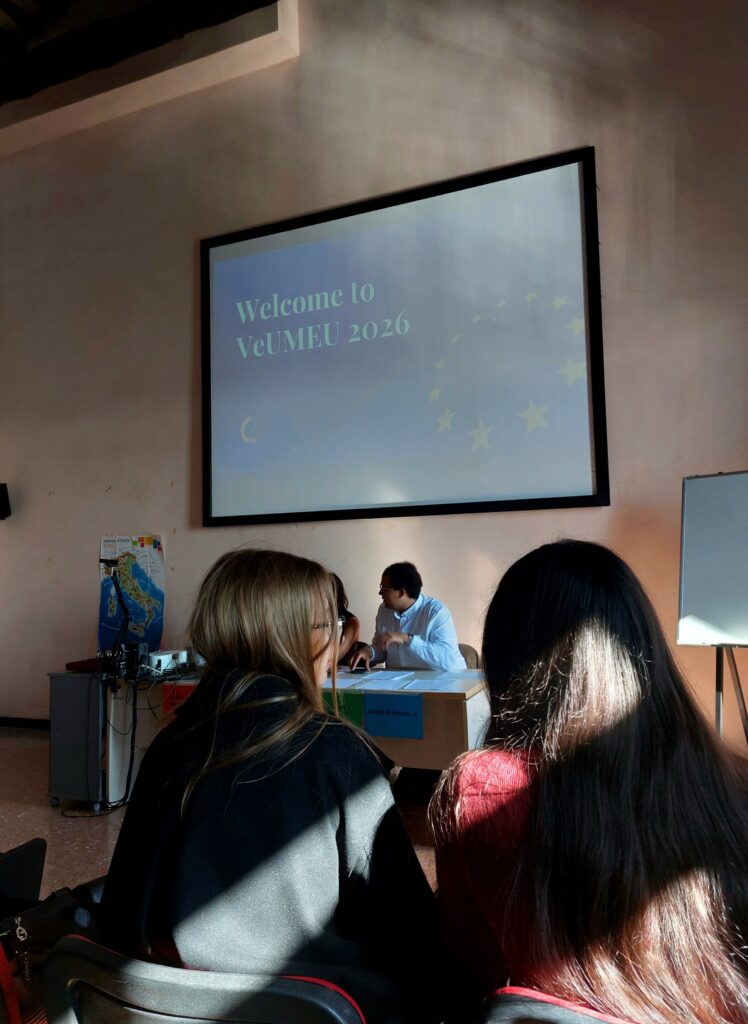
Unlike what it might seem at first glance, this is not a simple academic exercise. VeUMEU is a truly highly complex environment: university students from different countries with different backgrounds and speakers of different languages, take on the role of policy makers, negotiate, build alliances, manage crises, and produce concrete actions. And this is precisely where the most interesting point emerges. When the context becomes complicated, the difference is not made by the individual skill, but by the system with which it is managed.
In the European debate, as well as in companies, it is not enough to know the contents. Consistency between parties, clarity in processes, the ability to maintain a shared line even under pressure are needed. Every intervention, every document, every negotiation fits into a larger network, where even the slightest inconsistency can slow down or compromise the outcome. The VeUMEU stages exactly that: not the theory of Europe, but its real management.
In an international context, this management inevitably also involves language, in this case the vehicular one, known to all simulation participants: English. Language, therefore, should not be thought to as an isolated element, but as an infrastructure that makes dialogue, negotiation, and mutual understanding possible. Because, in the end, the key is not to speak the same language. It’s being able to handle it when everything else changes.


